Source Top Clean Used Clothes for Resale, Charity, and Recycling
Explore 30 listings for top clean used clothes sourced from China. Buyers can compare specifications such as material, weight, and packaging options to find suitable inventory for retail, charitable donations, or textile recycling operations; compare the available evidence and request quotations based on your requirements.
Key considerations
Products List
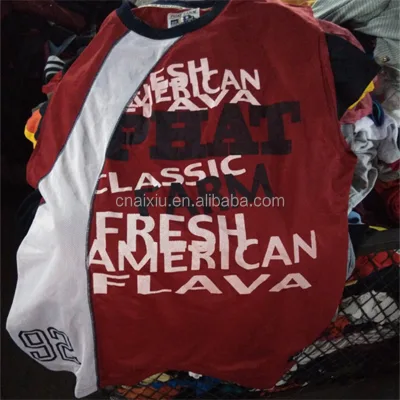


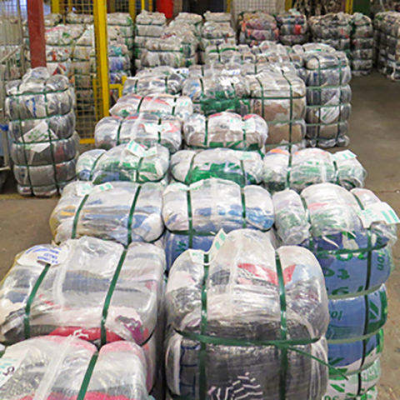


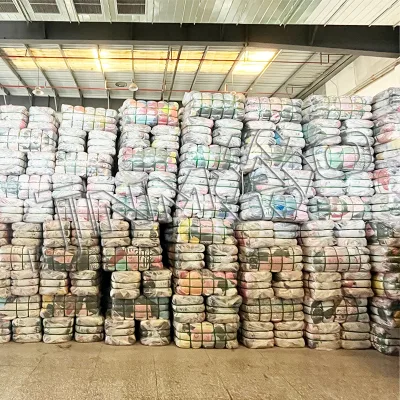
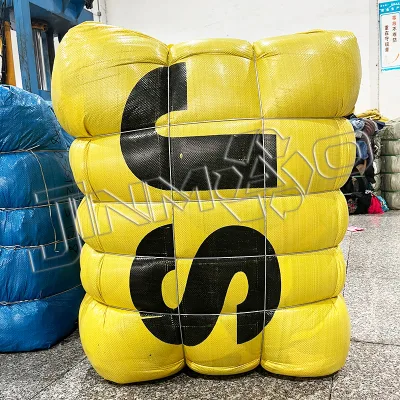
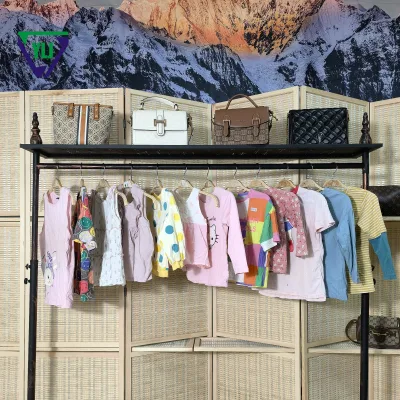
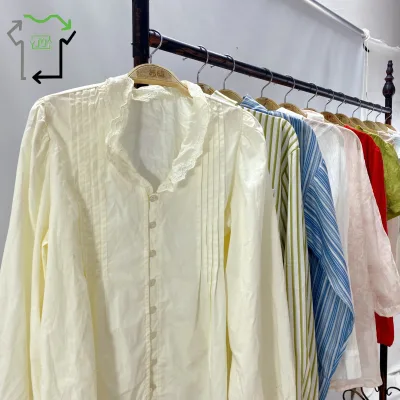
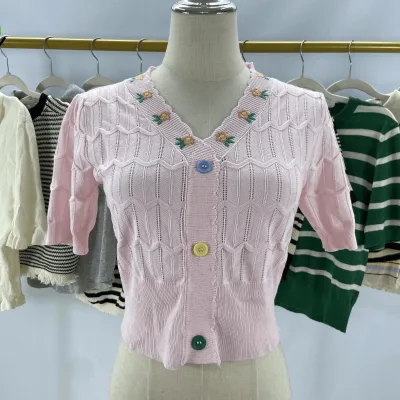
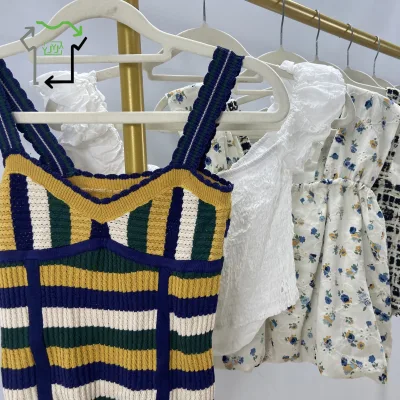
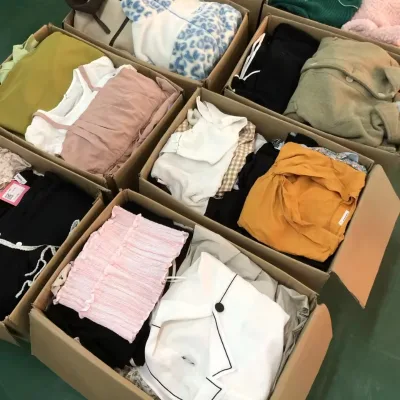
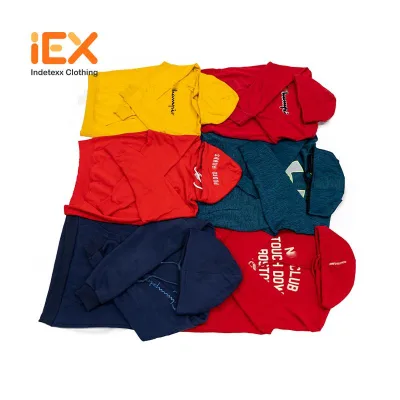
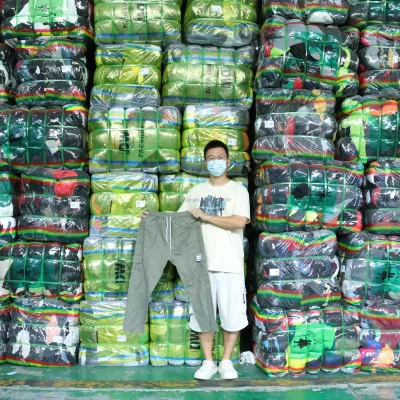
Comprehensive Sourcing Guide
Top Clean Used Clothes Sourcing Guide
Procuring top clean used clothes requires a strategic approach to navigating a market defined by mixed origins and variable grading. Buyers must first distinguish between listings that claim "clean" status and those offering verified "90% clean" or "top clean" conditions, as these terms often dictate the final resale value and processing costs. The supply chain frequently originates from major Chinese hubs like Tianjin, where bales are prepared for international export with specific weight and packaging standards that influence logistics planning.
Sourcing decisions should prioritize suppliers who provide transparent details on the condition grading and sorting methodology rather than relying solely on marketing terms. Since the market includes items ranging from summer wear to all-season garments, buyers need to verify if the specific lot matches their target demographic, such as adult or children's wear, before committing to a container load. Understanding the distinction between single-item sales and bulk bale transactions is essential for aligning procurement volume with storage and distribution capabilities.
Product Scope and Observed Listing Signals
The product scope for top clean used clothes encompasses a wide variety of styles, including European, American, Korean, and ethnic designs, often categorized by season such as summer or spring/autumn. Listings frequently highlight specific attributes like silk skirts, cotton garments, or mixed-color bales, but buyers must verify that the "all size" or specific size claims match their inventory needs. The observed market signals indicate a heavy emphasis on "clean" conditions, with some suppliers specifying a 90% cleanliness rating, which serves as a critical differentiator for quality-conscious buyers.
Buyers should carefully analyze the gender and age specifications listed, as products are often marketed as unisex, male, or female, and may target adults or children. The visual and material descriptions, such as printed patterns, pleated styles, or high-waist shapes, provide insight into the fashion relevance of the stock. However, these attributes are observations from individual listings and do not guarantee that every bale will contain the same mix of styles or materials, necessitating a sample review before finalizing a bulk order.
Technical Specifications to Verify
Technical verification begins with the physical dimensions and packaging standards, which are critical for container loading efficiency and cost calculation. Suppliers typically offer bales weighing between 45kg and 100kg, with standard export packaging dimensions often cited around 38cm by 30cm by 70cm. Buyers must confirm the exact bale weight and count per container, as a 20ft container might hold approximately 120 bales of 100kg, while a 40ft container can accommodate up to 280 bales, directly impacting the total landed cost per kilogram.
Material composition and condition grading are equally vital technical parameters that require direct confirmation from the supplier. While listings mention materials like cotton and silk, the actual mix within a bale can vary significantly, and the "clean" status must be validated against the specific "top clean" or "90% clean" claims. Buyers should request detailed material breakdowns and condition reports to ensure the goods meet the required standards for their intended market, as the "high quality" designation is subjective without objective verification.
Compliance and Safety Documentation
Compliance in the used clothing sector often involves navigating complex regulations regarding hygiene, safety, and import restrictions in destination countries. While some background information mentions certifications like GOTS or REACH, these are not universally applied to all used clothing listings and should not be assumed without explicit documentation from the supplier. Buyers must verify if the specific shipment includes health certificates or inspection reports that confirm the goods are free from pests, hazardous substances, and excessive contamination.
The "top clean" designation implies a higher level of processing, but it does not automatically equate to regulatory compliance in all jurisdictions. Procurement teams should demand proof of sorting and cleaning processes, ensuring that the goods meet the specific safety standards of the importing country. Relying on general claims of "high quality" is insufficient; instead, buyers need concrete evidence of the cleaning methods used and the absence of prohibited materials to avoid customs delays or rejection at the port of entry.
Cost Drivers and Commercial Terms
Cost drivers in the used clothing market are heavily influenced by the volume of the order, the specific bale weight, and the logistics from the port of dispatch. The observed price range is broad, reflecting the variability in quality and condition, with competitive pricing often tied to the ability to fill a full container load. Buyers should calculate the total cost per kilogram, including freight, insurance, and customs duties, rather than focusing solely on the unit price listed in the advertisement, as shipping costs from Tianjin Xingang can significantly impact the final margin.
Commercial terms such as MOQ and payment conditions are critical factors that define the feasibility of a transaction. Many suppliers set a minimum order quantity of one 20ft container, which requires substantial capital outlay and storage capacity. Buyers must negotiate clear terms regarding the packaging details, such as the 45kg to 100kg bale options, and ensure that the supply ability of 1000 tons per month aligns with their long-term demand to avoid supply chain disruptions.
Supplier Qualification and Quality Control
Supplier qualification requires a rigorous assessment of their ability to consistently deliver "top clean" goods that match the described specifications. Buyers should verify the supplier's location, such as Tianjin or other first-tier cities in China, and confirm their experience in handling international shipments of used apparel. The presence of a specific brand name or model number in the listing is not a guarantee of quality; instead, the focus should be on the supplier's track record, reputation, and ability to provide consistent grading.
Quality control measures must be implemented before shipment to ensure the goods meet the agreed-upon standards. This includes requesting pre-shipment samples to verify the condition, material, and style mix, as well as conducting third-party inspections if the order volume is large. Buyers should establish clear acceptance criteria for the "clean" status and the absence of defects, ensuring that the final product aligns with the "high quality" claims made in the initial product description.
Long-Term Procurement Checks
Long-term procurement success depends on establishing a reliable supply chain that can adapt to changing market demands and regulatory environments. Buyers should maintain regular communication with suppliers to monitor changes in the availability of specific styles, materials, or condition grades. The ability to customize orders or adjust bale compositions based on seasonal trends, such as summer wear or all-season items, is a key indicator of a supplier's flexibility and commitment to the partnership.
Continuous monitoring of market trends and competitor pricing is essential for maintaining a competitive edge in the used clothing sector. Buyers should regularly review the performance of their current suppliers against key metrics such as delivery times, quality consistency, and responsiveness to issues. By fostering a relationship based on transparency and mutual benefit, buyers can secure a steady supply of top clean used clothes that meets their specific business needs and supports sustainable growth.
FAQs
What is the condition of top clean used clothes?
The condition is classified as clean used clothes with a 90% quality standard. Items are sorted to ensure they are top clean and ready for resale. This grading ensures buyers receive high-quality second-hand garments that meet strict hygiene and aesthetic expectations for the global market.
Which materials are included in the used clothing bales?
Materials include cotton used clothes and silk items like women's skirts. The assortment features mixed colors such as green, red, and black. Buyers receive a variety of fabrics suitable for different seasons, ensuring a diverse inventory for retail outlets or export markets worldwide.
How are the used clothes packaged for shipping?
Products are packed in bales weighing 45kg, 50kg, 80kg, or 100kg. Standard export packaging dimensions are 38CM*30CM*70CM per bale. A 20ft container loads 120 bales of 100kg, while a 40ft container holds 280 bales, optimizing logistics for international buyers efficiently.
Can buyers customize the used clothing orders?
Yes, customization is available for specific buyer requirements. Suppliers offer various styles including Europe, America, Korean, and ethnic designs. Buyers can request specific gender categories like men, women, or unisex items, allowing for tailored procurement strategies that align with local market demands and preferences.
What is the supply ability for top clean used clothes?
The supply ability is 1000 tons per month from Tianjin, China. This high capacity ensures consistent availability for large-scale buyers. With a port of dispatch at Tianjin Xingang, logistics are streamlined, supporting reliable delivery schedules for international trade partners seeking stable second-hand clothing supplies.
Which age groups are covered in the used clothing stock?
Stock covers adults, children, and unisex categories. Items include summer wear, spring/autumn clothing, and various styles like hip-hop or leisure. This broad age range allows buyers to source versatile inventory for diverse retail segments, ensuring comprehensive coverage for different customer demographics in their local markets.